Artificial intelligence
The end of the AI trend
Artificial Intelligence has moved past the hype to become practice. From trend to consolidation, discover how audiences matured, what lessons remain, and why the future of AI will mean less noise and more real transformation.
9/10/2025
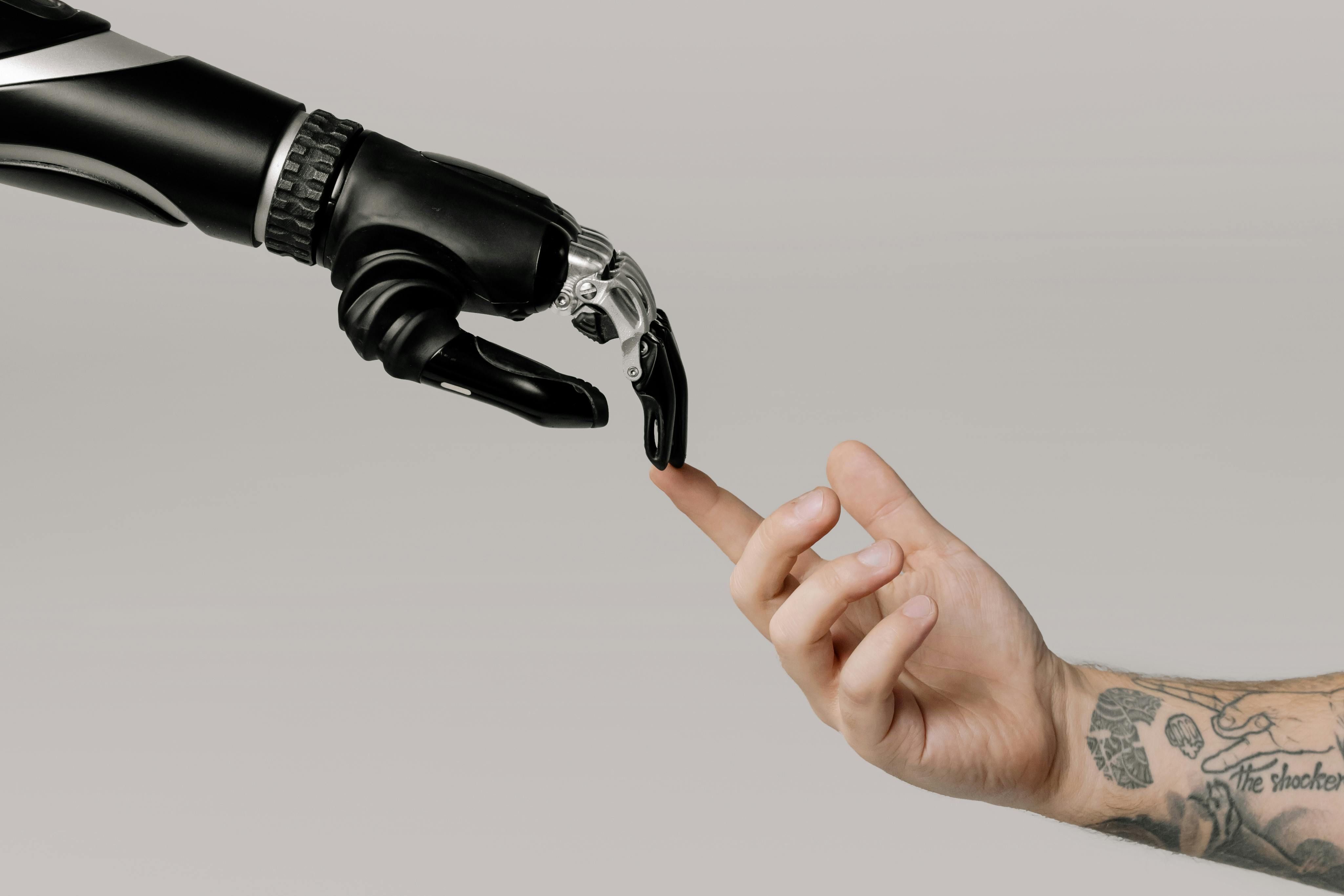
Since the rise of ChatGPT, we’ve witnessed a wave take over society around Artificial Intelligence. Maybe because we grew up consuming science fiction that portrayed AI as an enemy - a machine destined to dominate humans. Or maybe simply because the tool’s capabilities genuinely surprised so many people. In those early months, the feeling was one of collective discovery: anyone could access generative models, play around with prompts, and explore new possibilities. The topic dominated social media, fueled countless headlines, and became a must-have conversation in business meetings.
Everyone wanted to bring AI into their companies without even assessing the real need for it. Conversations about how AI was going to take people’s jobs were everywhere, as well as the much-needed debates on regulation and ethics. For months, the subject kept circulating, with different aspects of the tool being explored. And with every new update - whether from industry giants or emerging tools like DeepSeek and VEO3 - the debate would reignite, keeping the hype alive.
But today, that initial moment of euphoria is clearly showing signs of fatigue. We’re now entering a second phase: less frenzy, more depth. Artificial Intelligence has stopped being a “trend” and has instead become part of the everyday lives of companies and professionals, in a more serious and productive way, without the noise of a fleeting fad. What was once hype has turned into practice. Today, the question isn’t just about “testing AI,” but about how to integrate it strategically to solve real problems, improve efficiency, and drive results. It’s no longer about whether AI will steal jobs, but about how today’s jobs will evolve alongside it.
People also came to understand that AI has limitations, it’s not a miracle, not magic. In fact, reckless and uninformed use was one of the reasons why many everyday users lost interest. Without understanding the tool, poor use naturally led to poor results. The indiscriminate approach created frustration - like when users expected generative AI to give precise answers to vague questions, resulting in a flood of disappointing examples across social media. This clash of expectations, combined with topic fatigue and a clearer awareness of the tool’s limits, helped cool down the general enthusiasm.
However, this shift is part of the natural cycle of innovation: first comes impact, then mass experimentation, and finally consolidation. The same happened with the internet, with social media, and now with AI. What sets this moment apart is the gap between companies still treating AI as a passing fad and those already putting it to work automating processes, cutting costs, and delivering experiences far superior to their competitors, whether for customers or for employees inside the organization.
What remains after the end of the trend is a more educated audience, with a more realistic view of AI’s capabilities, an audience now able to see value in using the tool as it should be used. This maturity doesn’t mean AI has lost relevance; on the contrary, it has shifted from spectacle to infrastructure. Just like other disruptive innovations, Artificial Intelligence is set to become normalized in everyday life: fewer headlines, more practical applications. What once sparked awe now demands criteria, responsibility, and strategic vision.
The end of the trend, then, is not the end of AI, it’s the beginning of a new, more mature and conscious chapter.